

Senuri Acupuncture Book an appointment Book your appointment Senuri Acupuncture
Senuri Acupuncture
Visit 80 Eighth Ave, Suite 1103 New York, NY 10011 Mon to Fri · 11am to 7:30pm Sat · 12pm to 6pm Sun · Closed
Instagram Google
Initial Consultation at Senuri

Initial Consultation

A full intake and your first treatment, built around what we find.

Follow-Up Acupuncture at Senuri

Follow-Up Acupuncture

Each session builds on the last, adjusted to how your body responds.

Facial Acupuncture at Senuri

Facial Acupuncture

Skin health treated from the inside out — face and body together.

Cupping Therapy at Senuri

Cupping Therapy

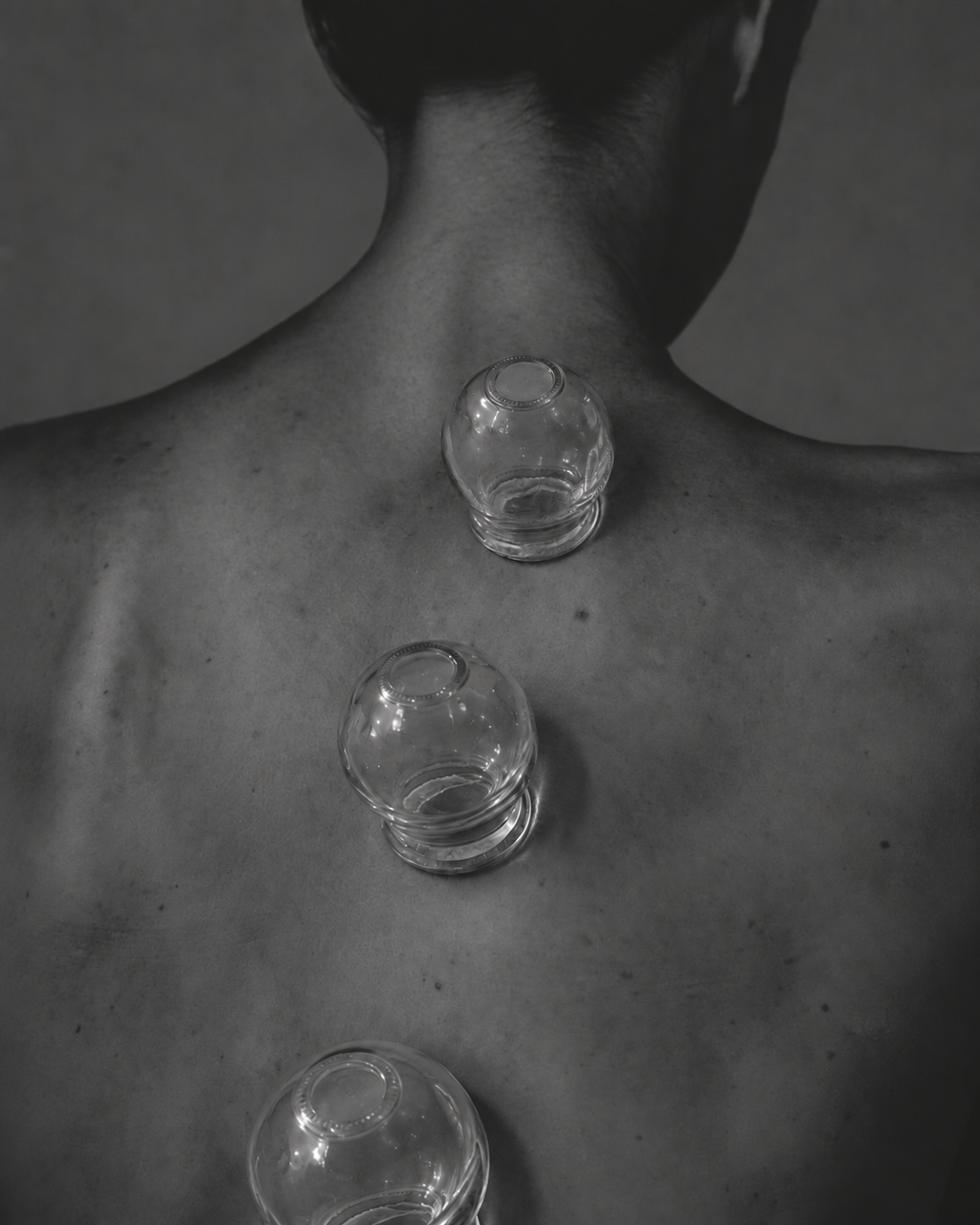
Gentle suction to release tension held deep in the muscular layers.

View all treatments
PCOS

PCOS is not one condition. It’s a pattern, and every pattern is different.

Polycystic ovary syndrome is one of the most complex hormonal conditions in women’s health, and one that often benefits from a multifaceted approach. At Senuri, we offer the clinical depth and the time your body deserves.

Red rose petals floating in a shallow bowl of water
Understanding PCOS

PCOS affects an estimated one in ten women of reproductive age, making it one of the most common hormonal conditions seen in New York City and worldwide. And yet it remains one of the most complex to diagnose, and one of the most individual in how it presents.

For many women, hormonal contraception helps manage symptoms well. But for those who want to conceive or want to explore the root of their condition alongside their existing care, a deeper approach can offer something more.

PCOS isn’t a single disease. It’s a syndrome, defined by a cluster of features that present differently in every patient. Some have classic PCOS with elevated androgens, irregular cycles, and ovarian cysts. Others have lean PCOS, with normal body weight but significant hormonal dysregulation. Others have PCOS driven primarily by insulin resistance, or by anovulation and cycle irregularity without the classic hormonal markers.

Above all, PCOS is a systemic hormonal and metabolic condition, and it responds well to a whole-body approach.


Common presentations at Senuri
  • Irregular or absent menstrual cycles
  • Anovulation or infrequent ovulation
  • Elevated androgens, acne, hirsutism, hair loss
  • Insulin resistance or blood sugar dysregulation
  • Weight changes or difficulty with weight regulation
  • Mood changes, anxiety, or low mood associated with PCOS
  • Fertility challenges related to anovulation
  • PCOS found incidentally, normal cycles but polycystic ovaries on ultrasound
  • PCOS post-pill, cycle and hormonal dysregulation after stopping hormonal contraception

The shadow of a woman and a window falling across a warm wall
How acupuncture addresses PCOS

A growing body of research supports acupuncture’s role in reproductive medicine, and in the case of PCOS, the findings are specific enough to be clinically meaningful.

LH:FSH Ratio Regulation

PCOS is frequently characterized by an elevated LH:FSH ratio, a hormonal imbalance that disrupts follicle maturation and ovulation. Multiple studies have found that acupuncture can reduce LH levels and lower the LH:FSH ratio in women with PCOS.

Androgen Reduction

Elevated androgens, testosterone and DHEA, drive many of the most common and difficult PCOS symptoms: acne, hirsutism, and hair thinning. Research has found that regular acupuncture treatment can reduce serum testosterone in women with PCOS. This effect is thought to work through acupuncture’s influence on ovarian steroidogenesis, the process by which the ovaries produce androgens. It may also work through cortisol regulation since adrenal androgen production is driven in part by the stress response.

Insulin Sensitivity and Metabolic Support

Insulin resistance is a core feature of the most common PCOS phenotype. Acupuncture may improve insulin sensitivity through several mechanisms, including improved glucose uptake in peripheral tissues, modulation of adipokine signaling, and reduced systemic inflammation. For patients with significant metabolic features, acupuncture works best as part of a broader approach that also addresses nutrition and lifestyle.

Ovulation and Cycle Regulation

For anovulatory patients, those who don’t ovulate regularly or at all, acupuncture’s effects on hypothalamic GnRH pulsatility and LH surge timing may support the restoration of ovulation. This is particularly relevant for patients trying to conceive naturally or preparing for fertility treatment, where regular ovulation is essential.

Stress and the PCOS-Cortisol Connection

Cortisol and androgens share biosynthetic pathways, and chronic stress directly elevates adrenal androgen production. For many PCOS patients, stress isn’t a peripheral factor in their condition. It’s a driver of it. Acupuncture’s effects on HPA axis regulation and cortisol normalization are directly relevant to androgen management.

The Eastern Medicine Framework

In East Asian medicine, PCOS is rarely seen as one pattern. It most often involves a combination of Spleen and Kidney deficiency, dampness, and Liver qi stagnation, the specific mix differing from person to person. Treatment is directed at the pattern we find in you: strengthening what’s deficient, clearing what’s stagnant, and restoring the body’s own rhythm. Therefore, two women with the same diagnosis may need quite different care, and why identifying your particular pattern is where the treatment begins.

What to expect

Meaningful hormonal change, in LH:FSH ratio, androgen levels, and cycle regularity, tends to build over a consistent course of care. Patients trying to conceive are usually advised to begin at least three to six months before a planned conception attempt.

Your first visit is a 90-minute consultation covering your full hormonal history, current symptoms, lifestyle, and goals. We review any labs you’ve had, including LH, FSH, testosterone, DHEA-S, fasting insulin, and AMH if available, and build a plan specific to your PCOS pattern and priorities. Weekly treatment is recommended in the early phase of care, adjusting as your body responds.

We work alongside your gynecologist, endocrinologist, or reproductive endocrinologist, and welcome coordination with your medical team.


This may be right for you if
  • You’ve been diagnosed with PCOS and want to explore root causes alongside your current care
  • You’re trying to conceive with PCOS and want to optimize ovulation and hormonal health
  • You’ve come off the pill and your cycle hasn’t returned to baseline
  • You’re managing PCOS symptoms, acne, hair loss, irregular cycles, and want an additional or complementary pathway
  • You have PCOS and significant stress, and recognize that stress is part of your hormonal pattern

Your PCOS is unique to you. Your treatment should be too.

Book your first visit